
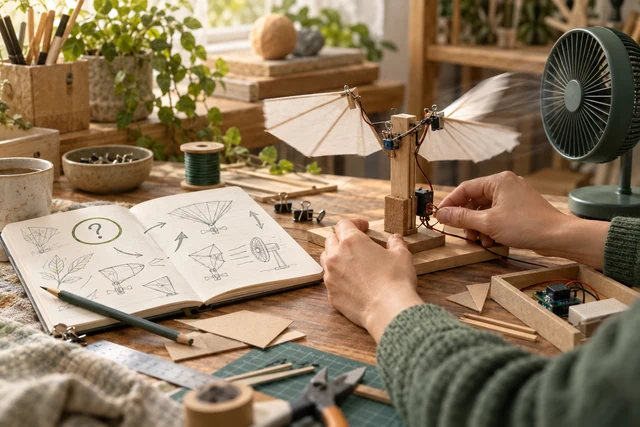
The courses here revolve around real problems. We will research, make decisions, take action, receive feedback, and also admit temporary uncertainty. A project doesn’t have to be big, but it should show who it cares about, the basis for it, and how it plans to test itself.

A big world.
Let's step inside.
Rebuilding the Sense of Physical Meaning in the AI Era

How does a forecast reach people?
Where does weather data come from? After the model calculation is done, who sends out the warning?

First, make your idea come true.
Gather around the Flying Bird table, watch the screen, and talk about ideas. Whiteboards, 3D printers, development boards, and experiment tables are also waiting for you.

After the sun sets, can electricity still be generated?
Mirrors concentrate sunlight on the top of the tower, and molten salt stores the heat. Along this line, see how energy comes into our daily lives.

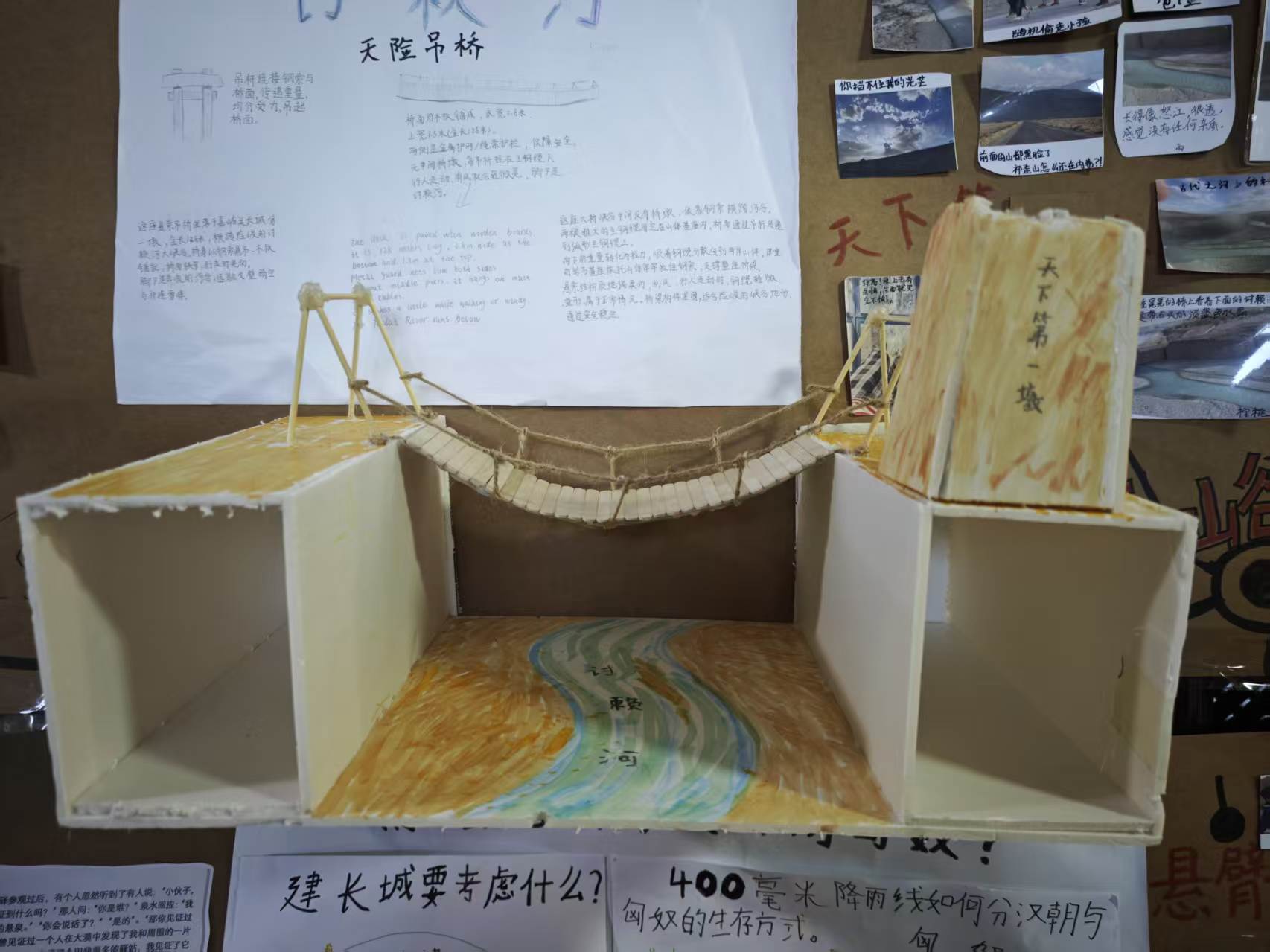
How many questions can a small bridge raise?
The bridge made by students using popsicle sticks and string, and HTH's 'useless staircase', can both be discussed in terms of connection, scale, and modification.

Write down today’s ideas.
Leave questions, evidence, and next steps on the whiteboard; from here, enter today’s project studio.

Can we try out this idea?
First, make a small model to see what fits and what needs adjustment. This is also part of project-based learning.

Let data help us make decisions.
From collecting data to testing judgments, enter the AI task to see what is behind a single decision.

Where else can our food come from?
See what researchers are trying, then ask: from the lab to the table, what steps are still missing?
Drag to turn · Scroll to zoom · Click items
Pick a question and start.
A course can also be approached through a single game or a story.

From a small act of care to the first real feedback
Follow the making of Shiguang Huaxia and find a place to begin with an idea of your own.

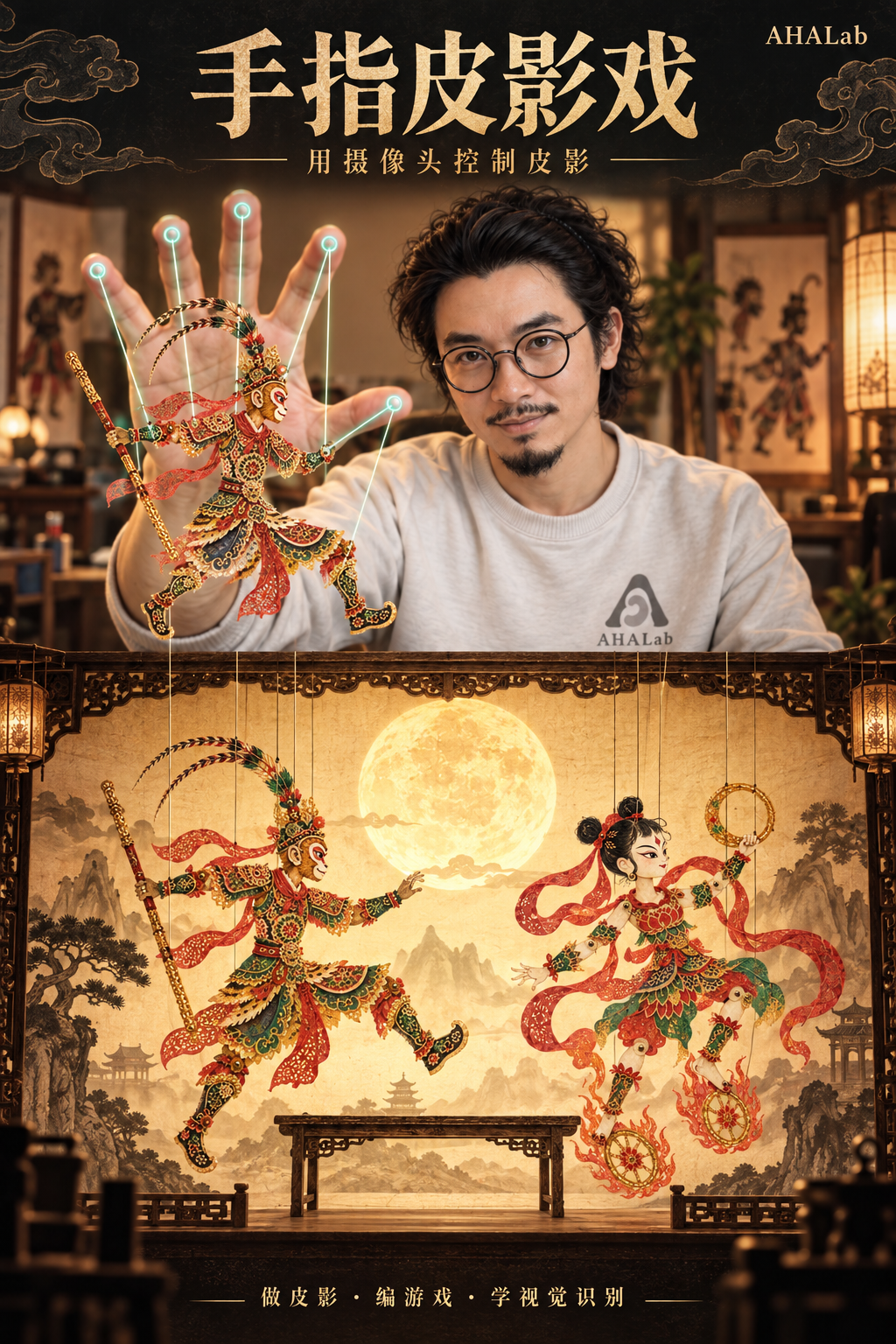
Move your fingers. Tell your own story.
Make shadow puppets, try operating the puppets. Rehearse in English, write down the observed actions and story.
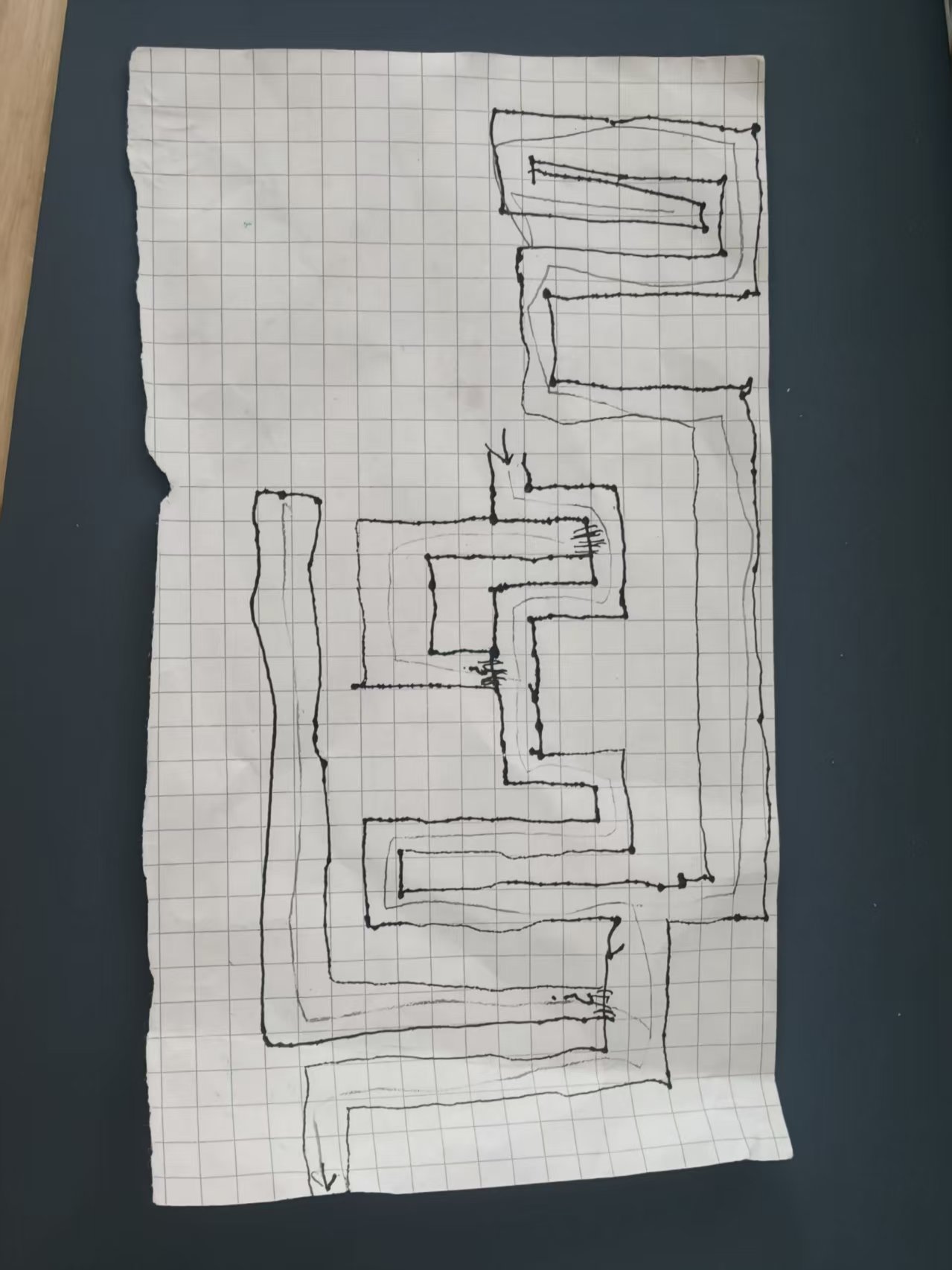
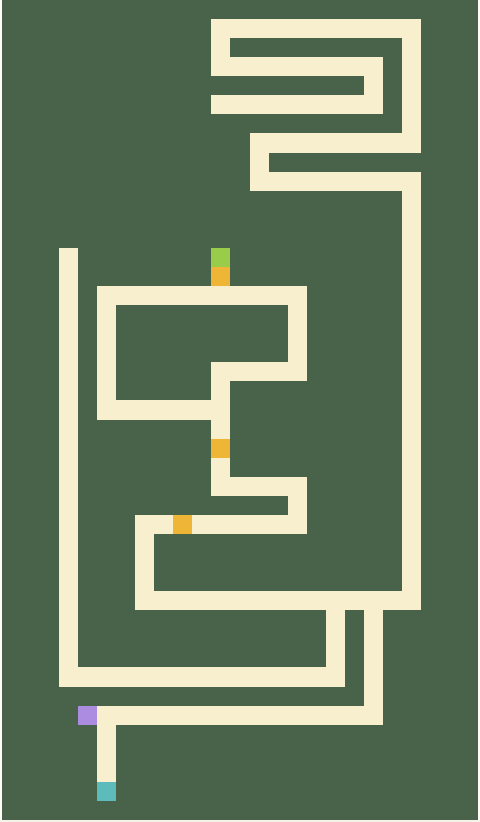
Draw mazes, care for animals
Make a game, let a friend try it, and improve one thing. Includes a classroom story and teaching notes.

We live in the same world
Starting from climate and ecology, meet people who are taking action.

Turn a problem into a first attempt
Starting from curiosity in life, make ideas testable together with peers.

Take on a city prone to flooding
Make decisions together, then let the original game show the results.

How to get a forecast to reach people
Ask what data AI needs, and who takes action after the warning.

Write a problem down so it can start
Record choices, evidence, comparisons, and next steps.
Come with a problem,
Proceed with the next steps.
Keep looking outward.
The stories and questions in the course all have sources. You can open the original materials, enter the games provided by the developer, or find a different starting point from your own life.
Browse official materials and game entries →Works will meet here.
The student work exhibition is being prepared. When the authors are ready, we will look at the works together and also hear how they were made.
I know you have been here
Put curiosities from different places on the same map.
Leave a question.
It can be a suggestion for the course, a question you want to continue exploring, or something you encountered in life. Name and contact information are optional.

