Which question did they start with?
Five different starting points. You can first like an insect, or you can first pay attention to another person's needs.
Cows need protection, and lions also need to survive.
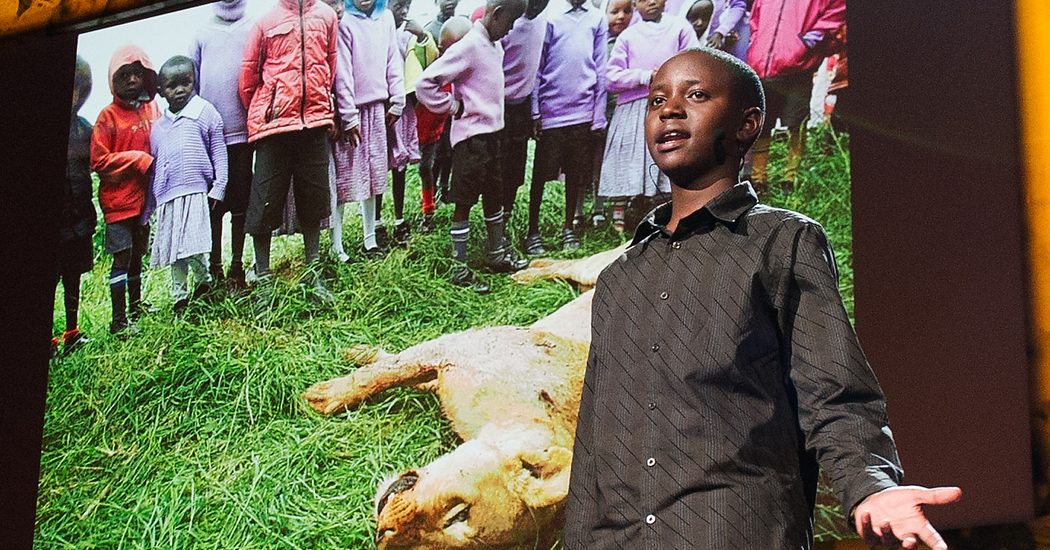
Started making lighting devices at age 11, spoke at TED in 2013 at age 13. Family, herdsmen, and partners participated together; the effects need to be continuously observed according to the local environment.
View the original report / personal account ↗Talk about the insects you like with others
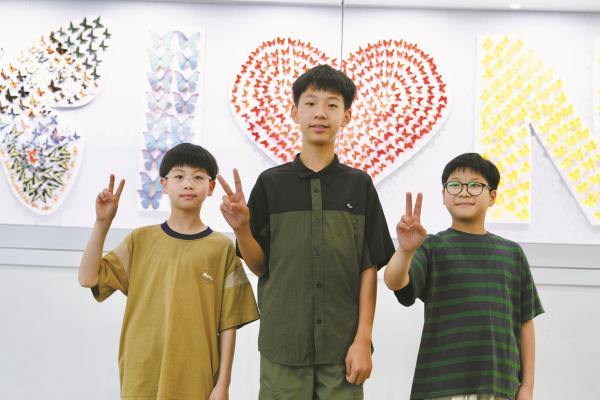
The three Ningbo youths in the 2024 report continue learning through observation, exhibitions, and sharing. The class prioritizes photography, recording, and researching information, not arbitrarily collecting materials for the sake of submitting work.
View the original report / personal account ↗A single piece of glass is also worth long-term observation.
The UWC student team in Changshu recorded bird collisions, consulted researchers, and installed anti-bird-collision stickers with the school. Seasonal changes in numbers alone cannot prove the causal effect of the stickers.
View the original report / personal account ↗Only by meeting repeatedly can you get the chance to know a person.

Reported in 2025 at age 14, continuously visiting the elderly with family and volunteer partners, helping children in need. Public welfare experience is not used for ranking among peers.
View the original report / personal account ↗A teenager's issue, and the people who joined later.
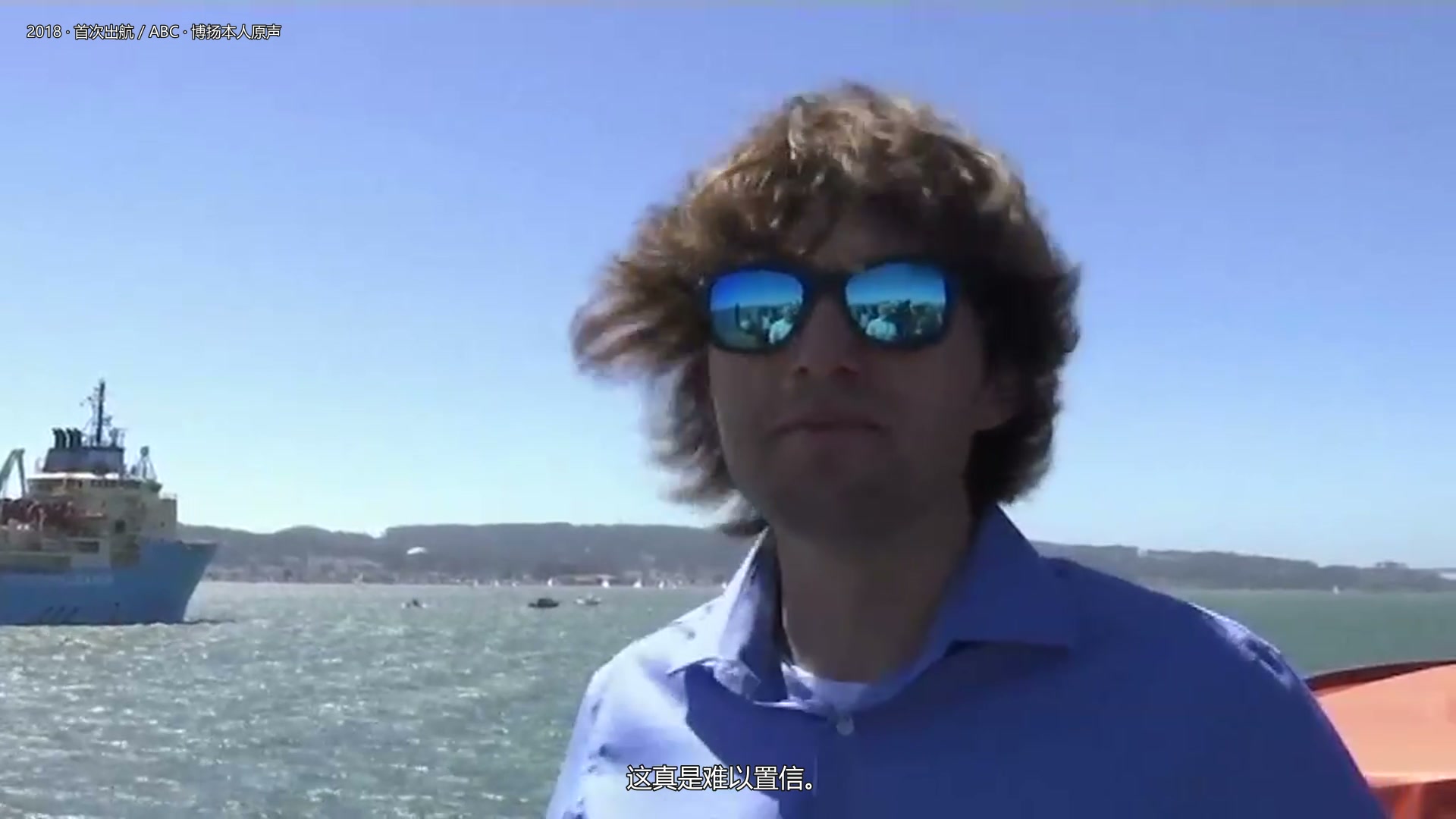
Preserve Boyang's own narration, team research, testing, maintenance, and revisions. A teenager’s starting point does not mean one person completed the entire project.
View the original report / personal account ↗