
AHALabAHALab · MMCOOL
OPEN COURSE / 2026.09.21 / PROJECT STUDIO

Turn a question into a first attempt.

Today, we and our classmates start from problems in daily life, talk about interests, talk about AI, and also discuss how an idea can become something that others can try.

Young peopleQuestions and CuriosityAI × PBLPeer Feedback
Open Teacher Workspace →

What happened today?

This is not a class that gives you all the answers, but a workshop to speak out your ideas, let others hear them, and then decide whether to continue.

01 · Speak Out

Start from the sticking points in life

Students shared many troubles they personally encountered, things they couldn’t figure out, and things they wanted to try. We first record their original words without rushing to translate them into "standard projects."
02 · Question Further

Interest is not a label

Behind the same statement "I want to make a game," there could be a desire to design rules, tell stories, solve operational problems, or just make friends happy.

03 · Continue

Involve AI in the process

We discuss what AI can help with, what it cannot decide for anyone, and how to check its outputs. Students start changing from "Can it do it?" to "How do I want it to operate?"

Four entry points into the class

With Yourself

What do I really want to figure out?

Turn a vague interest into a question you are willing to look at again.

With Others

How do others understand my ideas?

Let teammates try, ask questions, and retell. Collaboration starts with accurate listening, not assigning titles.

With the world

What is its relation to real life?

A work can start because it is fun, and then slowly ask: Who will use it? What will it change? Who else has not been considered?

We do not require finding a 'big project' today. Let a small idea first become visible, testable, and modifiable.

AI-or-human: play first, then start discussion

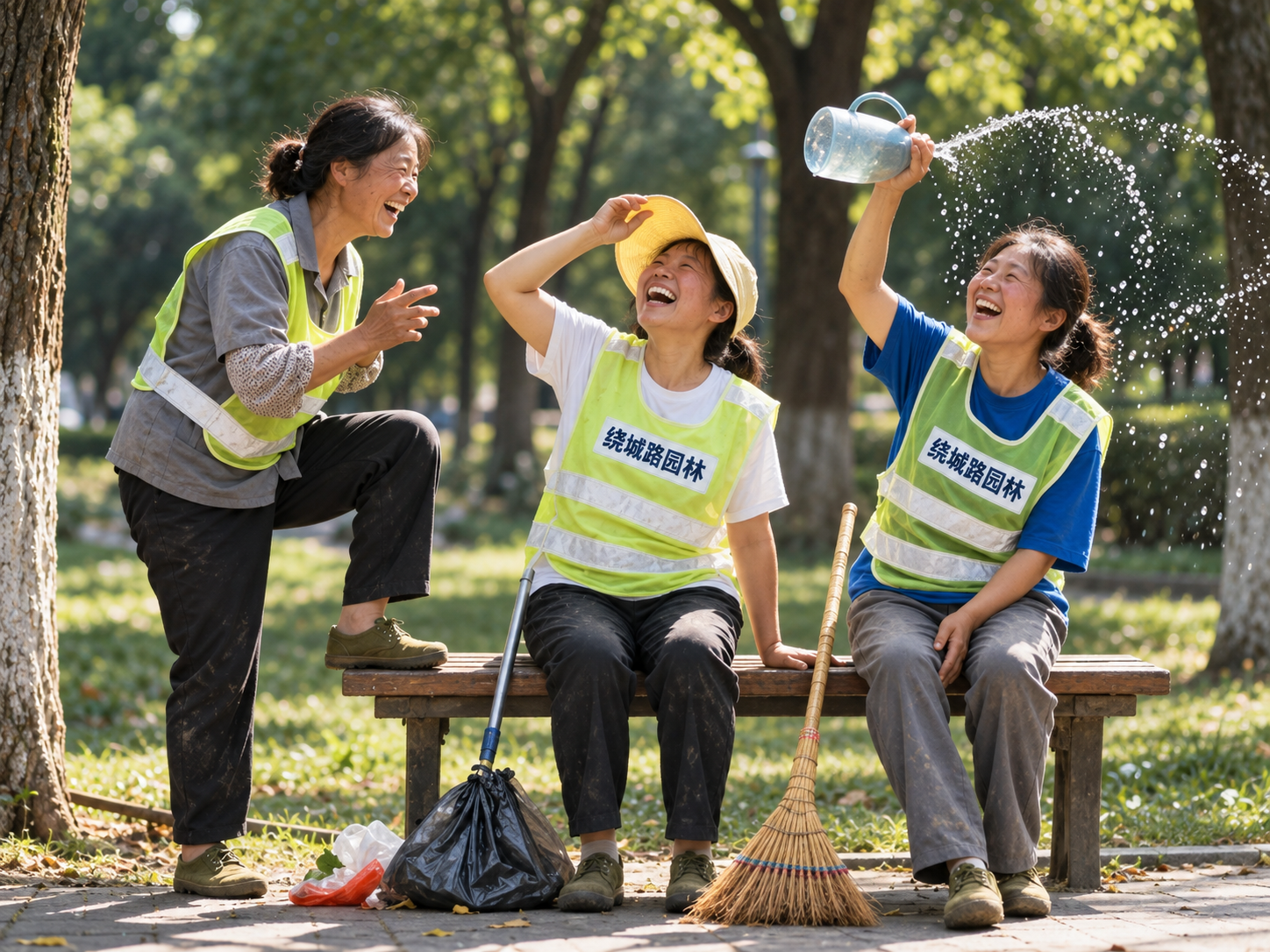
Warm-up games let everyone judge whether pictures and videos are from real shots, generated, or a combination of both. The focus is not on how many are guessed correctly but on stating the basis and knowing what to check next.

Classroom warm-up game screenshots
Questions after the game

Why should I trust my own judgment?

Details in a picture can raise suspicion, but they cannot replace sources. Work descriptions, shooting records, production processes, and reliable sources are better evidence.

What is left today is not an answer, but a path

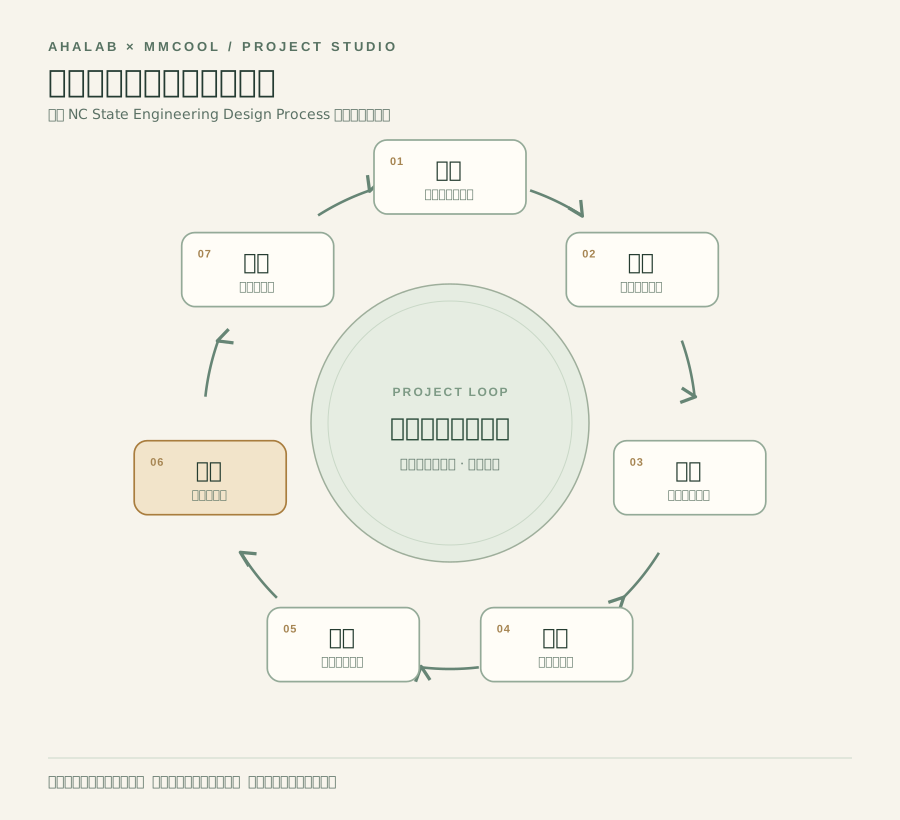
Students can enter from any step and also return at the next step. AI is a tool; the person who decides the direction is still the one who asks questions, observes results, and is willing to make changes.

Asking questionsWhat do I care about?
ImagineAre there other ways?
PlanningWhich action to take first?
CreateMake the first version
VerifyLet others try
ShareHear different interpretations
ImproveChange one part, try again
Project cycle of asking, imagining, planning, creating, validating, sharing, and improving

Public materials

Courses will gradually be organized into open materials that can be reused, adapted, and further questioned. The public version only retains course methods, verified materials, and anonymized classroom observations.

Course workspace

Complete two-day course design, teacher prompts, and student task cards.

Two-week discovery assignment

Find 1–3 real questions you truly want to explore from life and study, and return after two weeks with evidence and ideas to share.

Warm-up interaction

LAN version of the AI-or-human game and source list, suitable for classroom use.

Code repository

Course webpages, interactive prototypes, and reusable code will continue to be organized on AHALabAI/open-course.